Fountain Outline Icon: A Practical Guide for Modern Creators
Why This Simple Graphic is a Secret Weapon for Your Brand
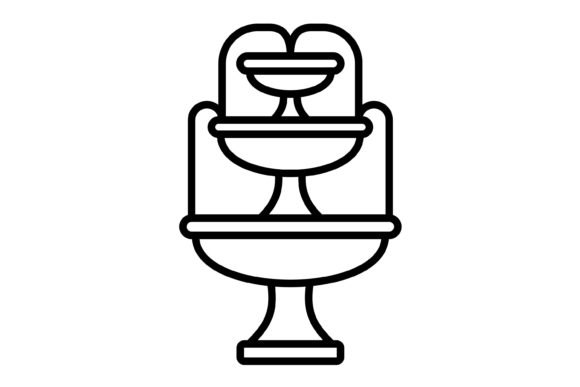
At first glance, the Fountain Outline Icon might seem like just another piece of digital art—a simple line drawing of a water feature. But for creators, developers, and business owners, it represents something far more valuable: a versatile, scalable, and professional visual asset. Whether you're designing a mobile app, building a website, crafting a presentation, or creating print materials, the right icon can communicate an idea instantly. The fountain, often symbolizing flow, creativity, ideas, or luxury, is a powerful metaphor used across industries from tech startups to wellness brands. The challenge isn't finding an icon; it's finding the right icon in the right format, and knowing how to use it correctly.
Many people make a critical error when sourcing graphics: they grab the first visually appealing option they find without considering its technical specifications. This leads to frustrating roadblocks later. You download a beautiful JPG, only to find you can't remove its white background for your dark-themed website. You scale up a small PNG for a banner, and it becomes a pixelated blur. You try to change the color to match your brand palette, but the file is locked, and editing is impossible. These aren't just minor inconveniences; they waste hours, compromise quality, and can make your project look unprofessional.
The Hidden Cost of Choosing the Wrong File Format
The core of the issue lies in misunderstanding file formats. A common mistake is treating all image files as equal. They are not. The Fountain Outline Icon package, for instance, includes five distinct formats for a very specific reason: each serves a different purpose in your workflow.
- AI and EPS: These are vector files. Think of them as the "source code" of the icon. They are infinitely scalable without losing quality. You can resize a vector fountain icon to fit on a business card or a billboard, and every line will remain perfectly crisp. These are essential for professional print work, large-format presentations, and any project where you might need to edit the icon's individual paths or colors in software like Adobe Illustrator.
- SVG (Scalable Vector Graphics): This is the web-friendly version of a vector. It's the ideal format for websites and mobile apps because it scales perfectly on any screen size and has a very small file size, which helps your site load faster. Modern designers use SVG for icons, logos, and simple illustrations to ensure visual consistency across all devices.
- PNG with Transparent Background: This is your workhorse for digital projects. The transparency is key—it allows the icon to be placed over any color or image without an ugly white box around it. Use this for social media graphics, email signatures, blog posts, and app interfaces. However, remember that PNG is a raster format. It's made of pixels. If you scale it too large, it will lose quality.
- JPG: This format is best for photographs or complex images with many color gradients, not for icons. A JPG of a fountain icon will have a solid background (usually white) and will compress the image, which can create fuzzy artifacts around the clean lines. It's the least versatile format for this type of asset and should be your last resort.
Using a JPG for a web icon on a colored background is a classic mistake that creates a disjointed, amateurish look. The better approach is always to use the SVG or PNG with transparency. This ensures the icon integrates seamlessly into your design, maintaining a clean and professional aesthetic.
Practical Pitfalls and How to Sidestep Them
Even with the correct files, missteps can happen. Here’s how to navigate common challenges.
Overlooking Editability and Customization
A frequent oversight is downloading an icon set without checking if it's truly editable. Some "vector" files are actually just raster images saved inside a vector container. You won't be able to change the stroke weight or color. Before you commit to a set like the Fountain Outline Icon, verify its editability. Open the AI or EPS file in your vector software. Can you select and modify the individual lines? If not, you've purchased a decorative graphic, not a functional design tool. True vector icons are built with clean paths and layers, giving you full control to adapt them to your brand's specific needs.
Ignoring Scalability for Multi-Platform Use
Your project will likely live in multiple places. The icon that looks perfect on your desktop website must also be legible as a tiny favicon in a browser tab and as a crisp symbol on a high-resolution smartphone screen. This is where having the SVG and multiple PNG sizes (if provided) becomes crucial. Don't make the mistake of using one single file for everything. For the web, use SVG. For areas where SVG isn't supported, use a PNG sized appropriately for its largest intended display. This thoughtful approach prevents the icon from becoming an unrecognizable blob on certain devices.
Forgetting the "Why" Behind the Symbol
Finally, don't choose the Fountain Outline Icon simply because it looks nice. Consider its symbolic weight. A fountain can represent a source of ideas, a flowing process, tranquility, or a central gathering point. If your app is about brainstorming, it's a great fit. If you run a plumbing supply company, it might be too ambiguous. The best iconography communicates your brand's core message intuitively. Take a moment to ensure the metaphor aligns with your content. This alignment strengthens your visual storytelling and makes your communication more effective.
Making a Smart Decision for Your Projects
When evaluating any icon pack, including this one, run through a quick checklist. Does it offer the formats you need for both digital and print? Is it 100% vector-based for true scalability and editability? Are the designs consistent in style, weight, and level of detail? A pack with 100 icons where each one looks like it came from a different artist will create visual chaos in your project.
The Fountain Outline Icon set, with its consistent line work and comprehensive file formats (AI, EPS, JPG, PNG, SVG), is designed to meet these practical demands. It's built for creators who need assets that are ready to use immediately but flexible enough for deep customization. By understanding the strengths of each file format and avoiding the common pitfalls of application, you can turn a simple outline into a powerful component of your visual toolkit, ensuring your projects look polished, professional, and perfectly aligned with your vision across every platform.